

Graduates of the Nelson Mandela African Institution of Science and Technology (NM-AIST) have been challenged to move beyond seeking employment and instead become innovators, entrepreneurs and problem-solvers capable of turning knowledge and research into technologies, businesses and jobs that drive Tanzania’s and Africa’s development.
The call was made during the 10th NM-AIST Convocation Ceremony, where the UNDP Country Representative in Tanzania, Mr. Shigeki Komatsubara, and the Vice Chancellor of NM-AIST, Prof. Maulilio Kipanyula, emphasized the urgent need to transform scientific knowledge and innovation into practical solutions and economic opportunities.
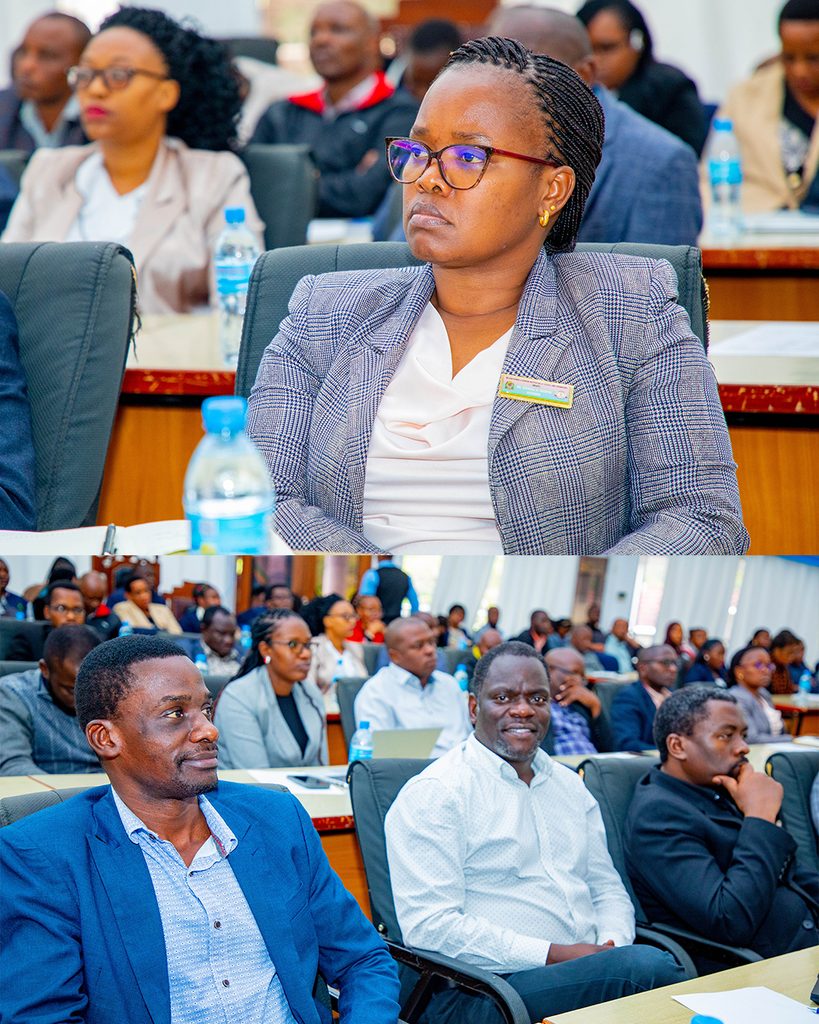
Mr. Komatsubara commended NM-AIST for its pan-African approach and strong commitment to research, innovation and commercialization, describing the Institution as strategically important to Tanzania and the continent.
He said NM-AIST plays a vital role in developing highly skilled human capital and generating solutions to some of the challenges facing society.
“Tanzania’s transformation into a knowledge-based economy will depend on our ability to develop homegrown research, technology and innovation,” Mr. Komatsubara said, urging graduates to use their knowledge not only to seek employment but also to create opportunities for others.
“Do not only look for the best jobs; create the opportunities and jobs of tomorrow through your passion, innovation and ingenuity,” he advised.
He encouraged graduates to become value creators, entrepreneurs and job creators, stressing that their education should be measured by the impact they make in society.
Mr. Komatsubara also reaffirmed UNDP’s commitment to working with NM-AIST and encouraged the Institution to strengthen its position as a global leader in science, technology and innovation, contributing to Tanzania, Africa and the wider world.
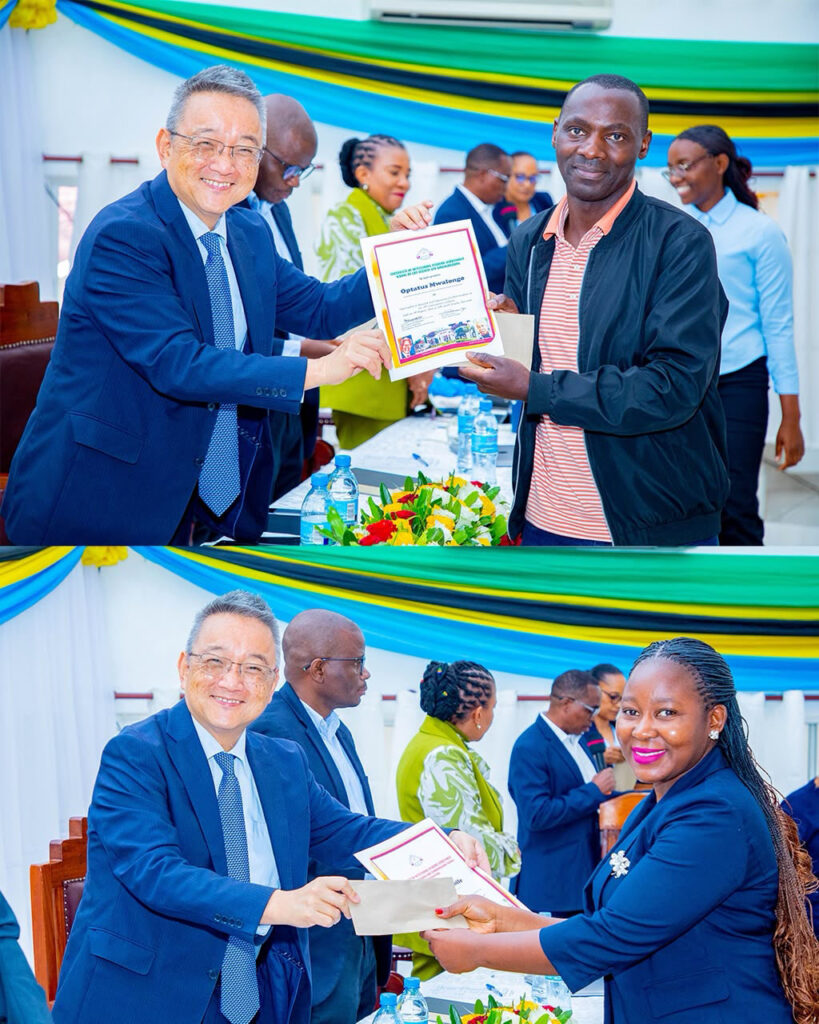
Prof. Maulilio Kipanyula challenged graduates to take an even more ambitious approach by helping Tanzania move from being primarily a consumer of technologies developed elsewhere to becoming a country capable of creating, adapting, domesticating and commercializing technologies locally.
He urged graduates to become scientists who solve real-world problems, innovators who create opportunities, entrepreneurs who generate employment and leaders who serve society with integrity.
“Your degree should mark the beginning of your contribution, not the end of your education,” Prof. Kipanyula said.
He encouraged graduates to remain curious, evidence-driven and focused on achieving measurable impact long after leaving the Institution.
According to the Vice Chancellor, the future of Tanzania and Africa will depend on the ability to transform knowledge into solutions, research into impact and innovation into jobs and shared prosperity.
Prof. Kipanyula reaffirmed NM-AIST’s commitment to advancing science, technology and innovation as key drivers of sustainable development, while strengthening partnerships that enable research findings and technological innovations to reach communities, industries and markets.