Turning sisal-processing waste into valuable resources for sustainable agriculture with Black Soldier Fly Larvae
The Problem: Making an Opportunity Out of Sisal Waste
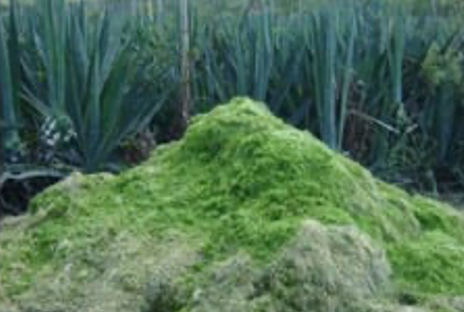
Sisal is a major agricultural and industrial crop in Tanzania. However, processing of sisal leaves for fiber generates large amounts of waste which poses environmental management problems to the industry.
Only about 4% of the sisal leaf is usable fibre and the rest is largely discarded as waste. If not properly managed, this waste can contribute to greenhouse gas emissions, water pollution, soil degradation and pest transmission.
Aware of this problem, researchers at the Nelson Mandela African Institution of Science and Technology (NM-AIST) thought about how the sisal waste could be turned into a valuable resource rather than an environmental burden.
A research team led by Dr. Aziza Konyo with Prof. Revocatus Machunda and Prof. Anthony Mshandete from NM-AIST’s School of Materials, Energy, Water and Environmental Sciences (MEWES) has come up with a novel approach of managing waste from sisal processing.
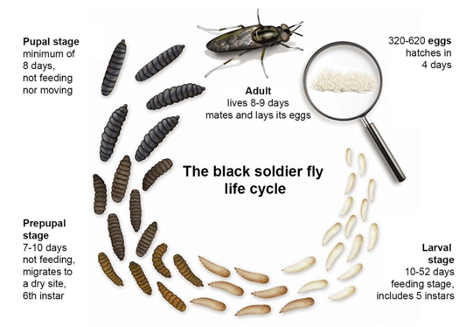
Their research looked at the use of Black Soldier Fly Larvae (BSFL), which are known to feed on organic materials and convert these into useful products.
The challenge was how to get these larvae to grow well on sisal-processing waste, which is naturally acidic and fibrous.
The team’s research yielded a controlled rearing method that allowed the Black Soldier Fly Larvae to convert this difficult waste into protein-rich larvae and organic fertilizer.
The technology was developed in 2023 and provides a novel approach to sustainable waste management in the sisal industry in Tanzania.
The Innovation: Two Products From One Waste
“A Method of Rearing Black Soldier Fly Larvae on Sisal Leaf Decortication Waste” is an innovation that utilizes Black Soldier Fly Larvae to convert sisal-processing residues into useful agricultural products.
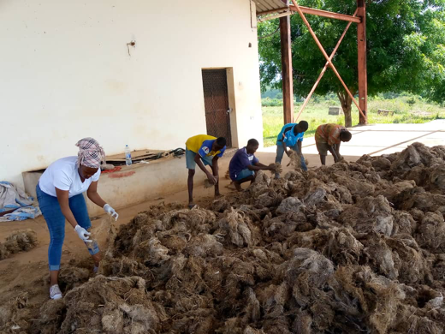
This process is the cultivation of the larvae on the specially treated sisal waste which they are able to eat and digest the organic matter.
One gram of Black Soldier Fly eggs can process about four kilogrammes of sisal waste and produce about two kilogrammes of larvae and two kilogrammes of organic residue called frass – a potential fertilizer, research shows.
This process results in two valuable outputs:
– High protein animal feed ingredient: The collected larvae can be processed to produce meal containing about 46.2% crude protein and could serve as a potential alternative protein source for poultry and other animal feed.
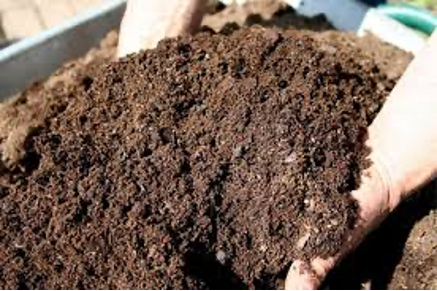
– Organic fertiliser: The frass generated during the process can be used to promote soil fertility and agricultural production.
Another benefit is that the larvae are relatively low in fat, at around 14.2%, which could mean fewer expensive fat removal processes are required when making animal feed.
Why It Matters: Adding Value While Conserving the Environment
This innovation offers an opportunity to address several problems with one locally developed technology.
It offers sisal producers a productive alternative to traditional waste disposal practices, with the potential for a reduction in environmental pollution and waste-management burdens.
The protein-rich larvae are a potential alternative to conventional feed ingredients, such as fishmeal and soya bean meal, produced locally for poultry farmers and animal-feed manufacturers.
For farmers, organic fertilizer is another useful agricultural input from materials that would otherwise be thrown away.
Beyond these direct benefits, the innovation has the potential to support new businesses, create jobs and promote circular economy practices in Tanzania’s agriculture sector.
The technology links sisal processing, animal-feed production and organic farming and shows how scientific research can add value to different industries.
From Laboratory Research to Field Application
The innovation is now in pilot production and being tested at African Fibers Tanzania Limited, Ubena Estate, in Chalinze, Tanzania.
The pilot offered a chance to try out the practical use of the technology in a sisal-producing environment.
The research also demonstrated promising nutritional properties of the larvae with a crude protein content of 46.2% compared to 33.9% for larvae fed traditional food waste under the study’s comparison conditions.
The research team disclosed intellectual property protection for the technology under the title, “A Method of Rearing Black Soldier Fly Larvae on Sisal Leaf Decortication Waste,” with preference number TZ/P/2023/00069.
What’s Next? From Innovation to Commercial Opportunity
The innovation is heading for potential commercialization following pilot production.
The research team is now in business negotiations with potential investors to explore possibilities for further development and commercialization.
If there is enough investment and collaboration from the industry, the technology could facilitate the widespread implementation of sustainable waste-management practices in sisal-producing regions, while at the same time creating opportunities for local animal-feed and organic-fertiliser production.
This innovation demonstrates NM-AIST’s commitment to developing practical, research-based solutions to environmental problems, bolstering agricultural value chains, and supporting sustainable industrial development in Tanzania.
Innovation at a Glance
| Innovation | Black Soldier Fly Larvae Rearing Using Sisal Leaf Decortication Waste |
| Lead Innovator | Dr. Aziza Konyo |
| Research Team | Prof. Revocatus Machunda and Prof. Anthony Mshandete |
| Institution | Nelson Mandela African Institution of Science and Technology (NM-AIST) |
| School | Materials, Energy, Water and Environmental Sciences (MEWES) |
| Year Developed | 2023 |
| Sector | Agriculture, Biotechnology, Environmental Management and Circular Economy |
| IP Title | A Method of Rearing Black Soldier Fly Larvae on Sisal Leaf Decortication Waste |
| IP Date Reported | September 2023 |
| Development Stage | Pilot production completed; investor discussions ongoing |
| Pilot Location | African Fibers Tanzania Limited, Ubena Estate, Chalinze |
| Research Findings | 46.2% crude protein and 14.2% crude fat in larvae meal |
| Potential Beneficiaries | Sisal processors, poultry farmers, animal-feed producers and agricultural enterprises |
Collaborate With Us
NM-AIST welcomes collaboration with investors, sisal-processing industries, animal-feed manufacturers, agricultural enterprises and development partners interested to take this innovation to wider application and commercialization.
We believe in making agricultural waste a valuable resource and creating new opportunities for sustainable development.