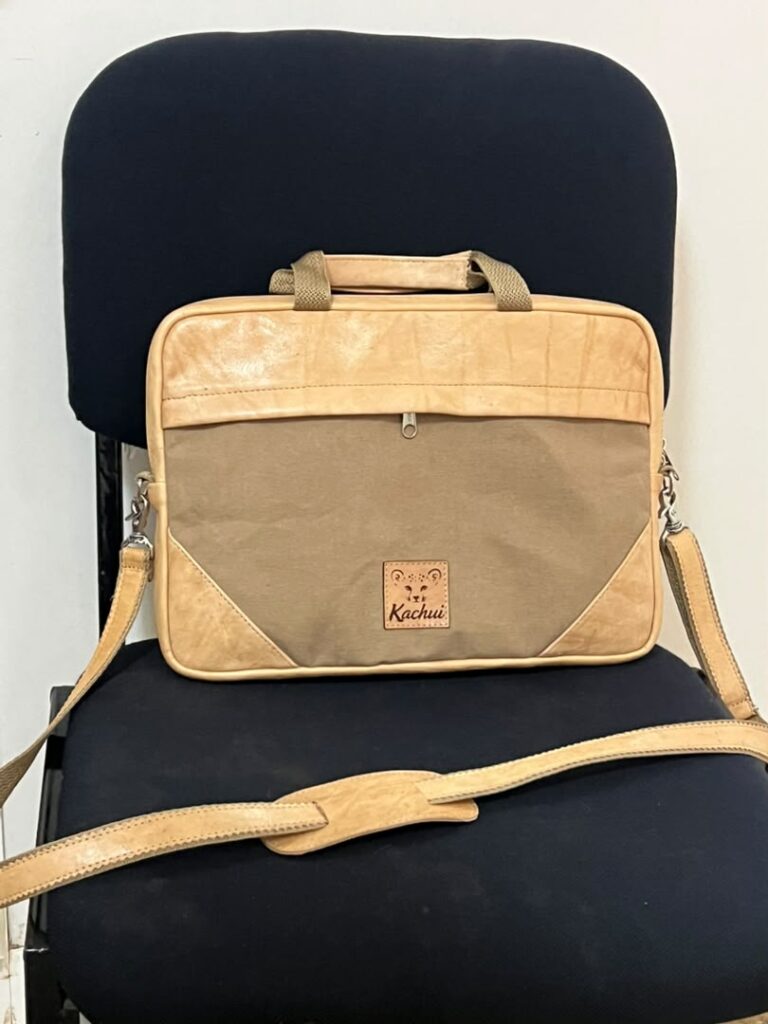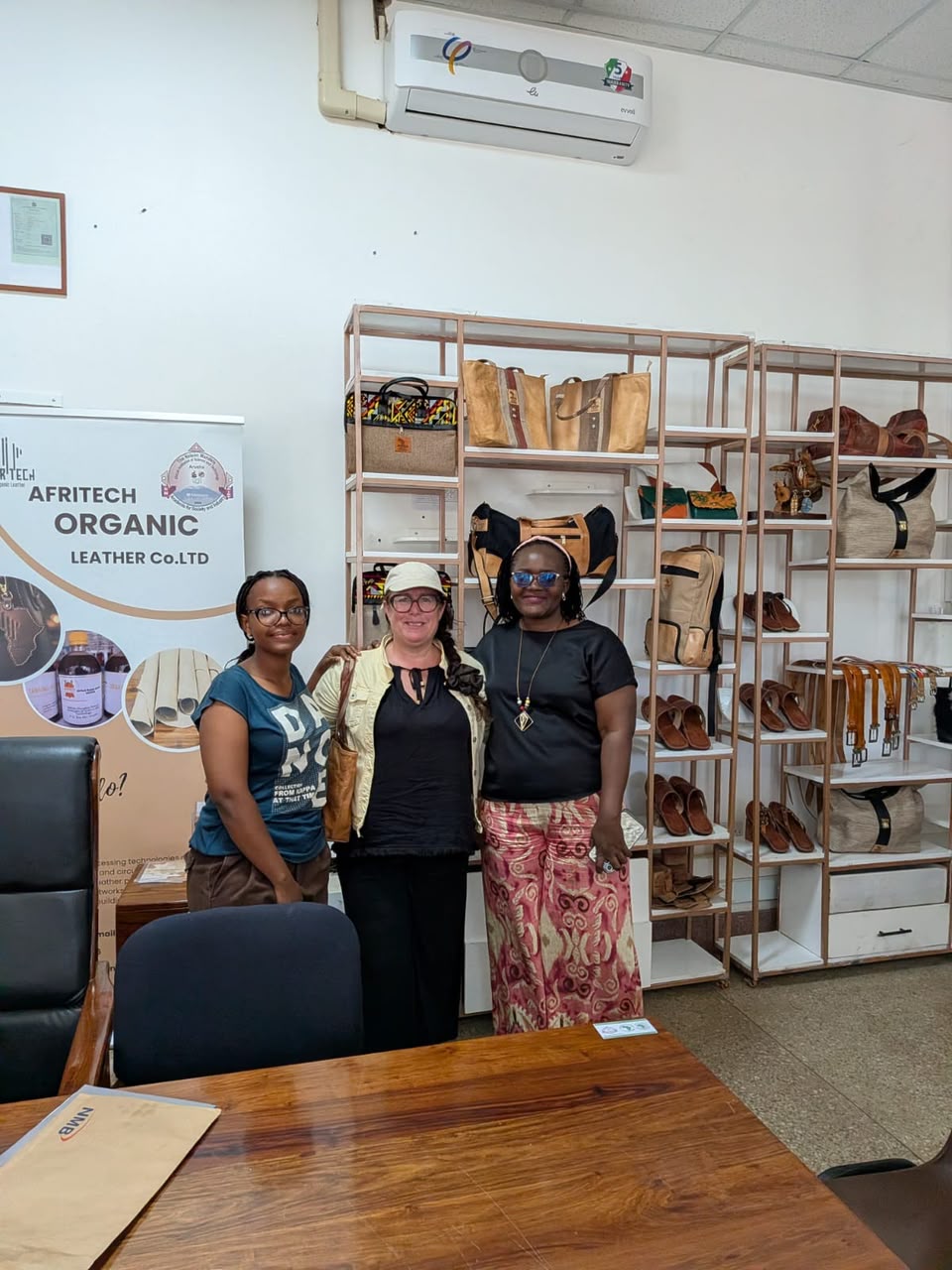
Converting agricultural waste into valuable industrial resources with locally developed energy-efficient technology.
The Problem: How to make leather more sustainable
Leather production is highly dependent on tanning chemicals including imported chromium-based agents that pose environmental and occupational risks when poorly managed.
Tanzania’s cashew processing industry also produces large quantities of husks that are often underutilized despite their potential economic value.
Dr. Cecilia Rolence China from the Nelson Mandela African Institution of Science and Technology (NM-AIST) accepted the challenge to look for a more sustainable and locally available alternative for leather processing.
From Environmental Problem to Scientific Success
This innovation is a spin-off from a previous research project at NM-AIST that developed natural tanning agents from tree bark.
The technology presented an alternative to traditional tanning chemicals, but there were concerns that harvesting tree bark could contribute to deforestation.
But Dr. China and her team saw an opportunity to improve upon the idea rather than abandon it.
In 2024, they began exploring agricultural residues that could deliver natural tanning compounds without further taxing trees.
In their research they tested four locally available materials, cashew nut husks, banana stems, coffee husks and saw dust.
The results have identified cashew nut husks as the most promising source of natural tannins of the materials tested.
This discovery prompted the creation of a new extraction technology that allows for turning agricultural waste into a valuable resource for the leather processing industry.
Innovation: Using Cashew Husks as Natural Tanning Agents
The innovation is a energy-efficient tannin extraction technology that uses discarded cashew nut shells to produce natural tanning agents to convert animal hides into leather.
The process comprises the preparation of cashew husks and mixing the same with water in a specially designed extraction apparatus. The husks are subject to a controlled process, which releases the natural tannins. These are then collected for further processing into leather tanning materials.
Instead of using imported tanning chemicals or harvesting tree-bark, this technology uses locally available agricultural residues.
The specially designed extraction system also aims to cut energy consumption, leading to more environmentally friendly and locally driven leather production.
Why It Matters: Creating Value for Two Industries
The innovation is scientifically significant and it links Tanzania’s agricultural and manufacturing sectors.
It offers the opportunity to greater access to local produced natural tanning agents for leather processors particularly small and medium sized enterprises.
It offers an opportunity for cashew farmers and processors to add value to agricultural residues that would otherwise remain underutilized.
The technology could also help to reduce dependence on imported tanning materials, encourage local manufacturing, create jobs and promote circular economy practices.
The innovation shows how scientific research can help solve environmental problems and create new economic opportunities by converting agricultural waste into industrial raw materials.
From Theory to Practice
The innovation has progressed from laboratory research to pilot scale development at the NM-AIST Innovation-Based Incubation Center.
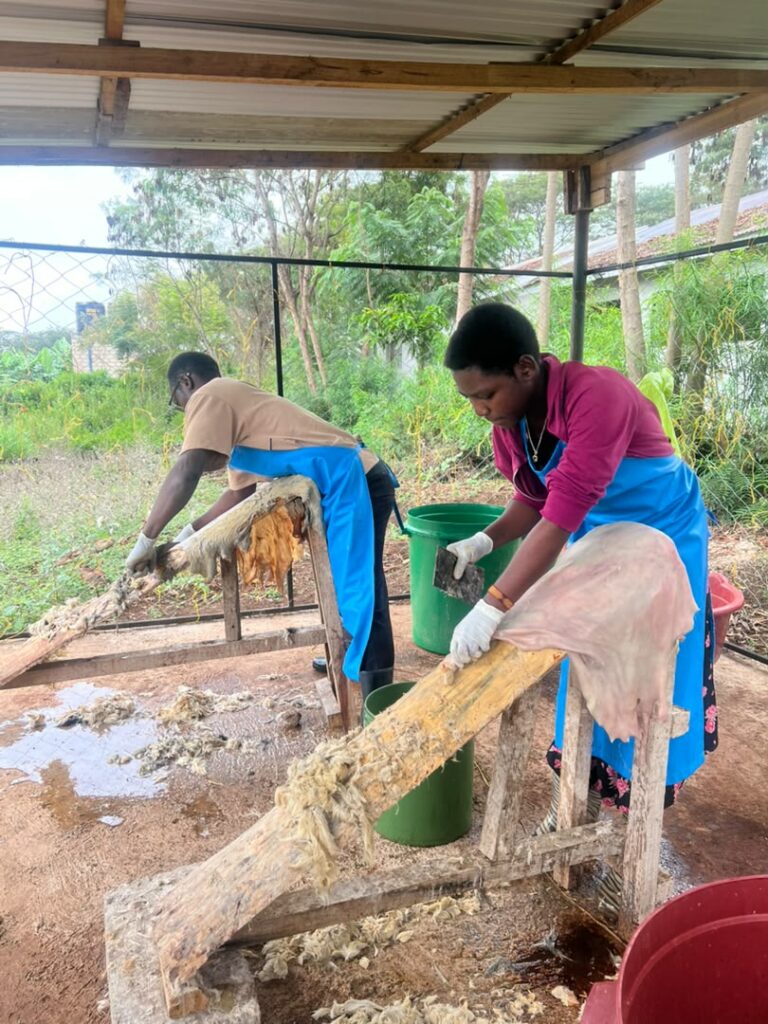
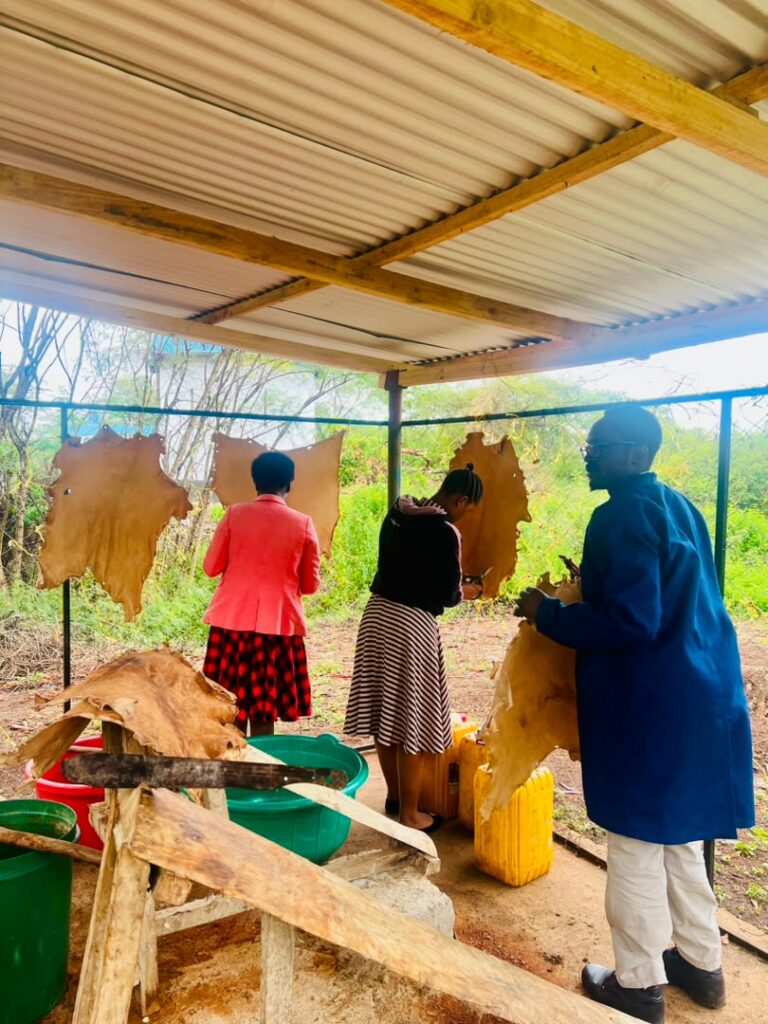
The technology has also been trialed by SMEs in the leather processing sector in the Kilimanjaro and Arusha regions to extract natural tannins, providing valuable feedback from the industry and supporting further product development.
Laboratory results have shown promising extraction performance with a 22.5% extract yield and 58.3% tannin content under the tested conditions.
The innovation was patented on 19 June 2026 with the title “A Tannin Extraction Apparatus and a Method Thereof”, and registered as TZ/P/2026/000031. The patent is owned by NM-AIST and Dr. China is named as the inventor.
The technology is now being advanced toward commercialization through AfriTech Organic Leather Co. Ltd., a company incubated at NM-AIST.
Acknowledgment and Assistance
The broader research and entrepreneurial journey of Dr. China has been recognized with national and international accolades including the National Innovation Week Best Innovation Award (2020), Mandela Washington Fellowship (2020), OWSD Early Career Fellowship (2024) and BioInnovate Africa Women Scientists Fellowship (2024).
Her innovation journey has also had financial support, including USD 50,000 from UNESCO-OWSD for pilot-plant development and a TZS 100 million catalytic innovation grant to AfriTech Organic Leather Co. Ltd. from the FUNGUO Innovation Program.
These achievements are indicative of the growing potential of research driven entrepreneurship to contribute to sustainable industrial development in Tanzania.
What’s Next? Increasing Output in Mtwara
Next big ambition is to build a commercial scale natural tannin production facility in Mtwara, Tanzania, leveraging the region’s cashew processing activities and raw material availability.
The proposed facility would allow for increased production, better quality control and the development of a solid supply chain for natural tanning agents.
Additional pilot validation, independent product testing, industry partnerships and investment will be important steps toward commercial scale production.
The long-term vision is to turn Tanzania into a producer and supplier of natural tannins for leather industries in Tanzania, East Africa and the international market.
With this innovation, NM-AIST continues to show how research can move from the laboratory to develop practical solutions, support entrepreneurship and contribute to sustainable economic development.
Innovation at a Glance
| Innovation | Cashew Leather Innovation – Natural Tannin Extraction Technology |
| Lead Innovator | Dr. Cecilia Rolence China |
| Institution | Nelson Mandela African Institution of Science and Technology (NM-AIST) |
| School | Materials, Energy, Water and Environmental Sciences (MEWES) |
| Research Group | Materials Science and Engineering (MaSE) |
| Research Started | 2024 |
| Sector | Leather Manufacturing, Agriculture, Environmental Technology and Green Engineering |
| Patent Title | A Tannin Extraction Apparatus and a Method Thereof |
| Patent Number | TZ/P/2026/000031 |
| Patent Granted | 19 June 2026 |
| Patent Owner | NM-AIST |
| Development Stage | Pilot-scale development and commercialisation |
| Commercialisation Vehicle | AfriTech Organic Leather Co. Ltd. |
| Proposed Expansion Location | Mtwara, Tanzania |
| Potential Beneficiaries | Leather processors, cashew processors, farmers and manufacturing SMEs |
Join Our Team
NM-AIST calls for collaboration with industry stakeholders, investors, development partners and technology organizations interested in taking this innovation forward.
Current partnership opportunity: To provide financial and technical support to establish a commercial scale natural tannin production facility in Mtwara including industrial equipment, production scale-up, product validation and market development.
Together we can turn agricultural waste into sustainable industrial opportunities.